Roof rats and mice are active year-round in San Diego County, but they become especially determined to get indoors as temperatures drop and food becomes scarce. Because rodents can squeeze through an opening the size of a quarter, many homeowners don't realize they have a problem until the signs are hard to miss. Here are the five most common warning signs — and what to do about each one.
1. Droppings in pantries, attics, and along baseboards
Rodent droppings are the clearest sign of activity. Mouse droppings are small and dark, resembling grains of rice, while rat droppings are larger and capsule-shaped. You'll typically find them along travel paths — in pantry corners, attic insulation, behind appliances, and along baseboards. If you find droppings, avoid sweeping them dry (which can spread airborne particles); instead, spray them with a disinfectant and wipe them up with paper towels.
2. Scratching or scurrying noises at night
Rodents are nocturnal, and the sounds of movement in ceilings, walls, or attics after dark are a strong indicator. Roof rats are agile climbers that nest in upper areas, while mice can be active throughout the home. If you hear scratching, gnawing, or scurrying sounds at night, it's worth investigating.
3. Gnaw marks on wires, wood, and packaging
Rodents gnaw constantly to keep their teeth from overgrowing. Look for chew marks on electrical wiring (a fire hazard), wooden beams, food packaging, and plastic containers. Fresh gnaw marks are light-colored; older ones darken. Damaged wiring should be addressed immediately by a professional.
4. Torn insulation or nesting materials
Rodents shred insulation, paper, fabric, and other soft materials to build nests. If you notice torn insulation in your attic, shredded paper in storage areas, or disturbed nesting material in quiet corners, rodents may be present.
5. Greasy rub marks along walls and entry points
As rodents travel the same paths repeatedly, the oils in their fur leave dark smudges along walls, pipes, and entry holes. These rub marks are a sign of regular travel and can help identify where rodents are entering and moving through your home.
What to do next
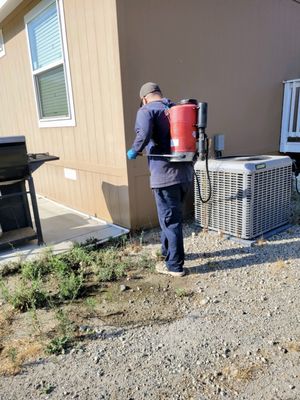
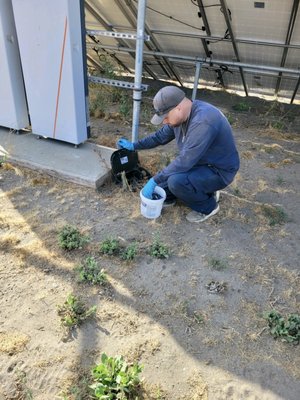
If you notice any of these signs, start by inspecting your home for entry points — gaps around the roof, vents, pipes, and foundations. Trapping removes rodents already inside; exterior bait stations reduce the population around your property. For lasting protection, exclusion (sealing entry points) is essential, because new rodents will simply replace the old ones if the gaps remain.
When to call a professional
Professional rodent control combines inspection, trapping, baiting, and exclusion. If you're seeing multiple signs or the problem keeps returning, a professional can locate entry points you might miss and build a plan to remove the rodents and keep them out.