San Diego's warm, dry climate makes it a paradise for ants — and for Argentine ants in particular. By mid-summer, trails of tiny foragers can appear overnight along your countertops, baseboards, and windowsills. The good news is that a few simple steps, combined with targeted perimeter treatment, can keep them outside where they belong.
Why Argentine ants are so common in San Diego
Argentine ants are an invasive species that thrives in Southern California's Mediterranean climate. They form massive interconnected colonies with multiple queens, which means killing the workers you see barely slows the colony down. They're drawn indoors by food, water, and shelter from extreme heat — which is why activity spikes during the hottest months.
Seal the entry points
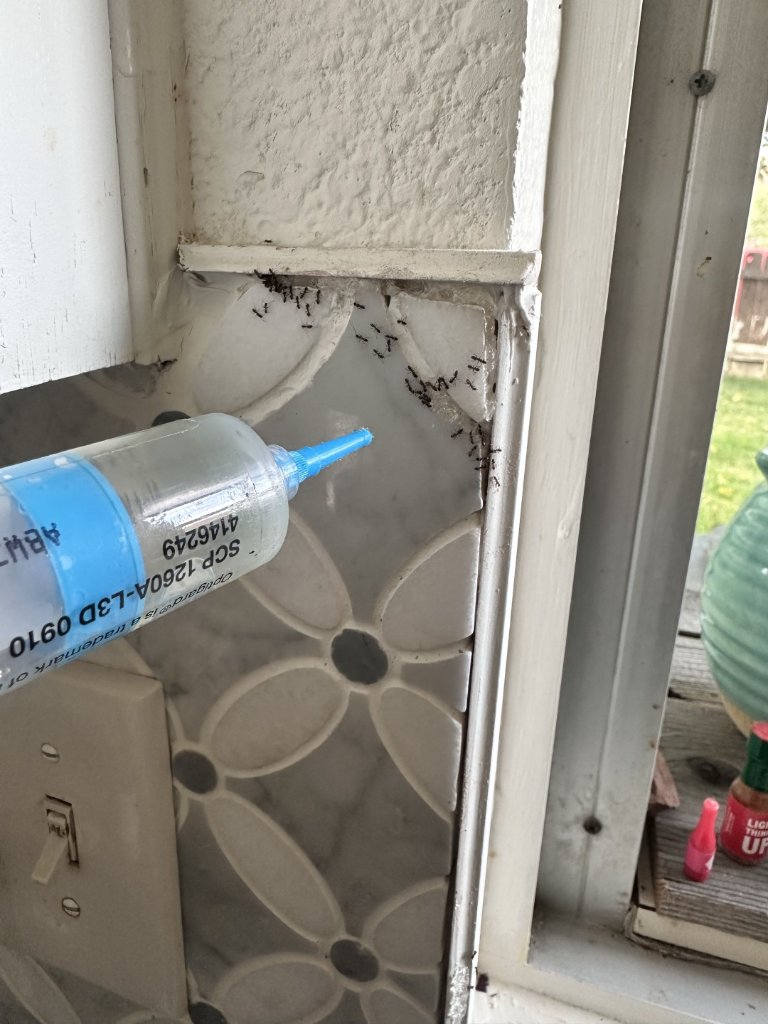
Ants only need a gap the width of a piece of paper to get inside. Walk the exterior of your home and seal cracks around windows, doors, and the foundation with silicone caulk. Pay special attention to areas where pipes and utility lines enter the home.
Remove what attracts them
Ants follow scent trails laid by scouts. If you wipe down those trails with soapy water or vinegar, you break the path. Store food in sealed containers, clean up crumbs and spills immediately, and don't leave pet food out overnight.
Reduce moisture
Ants need water as much as food. Fix leaky faucets, clear clogged gutters, and eliminate standing water around your property. Trim vegetation away from the exterior so the perimeter stays dry and visible.
When to call a professional
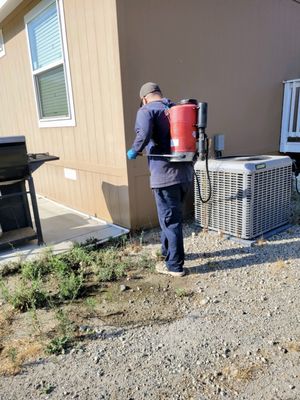
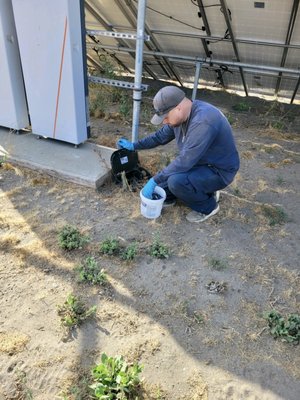
If you're seeing new trails within days of cleaning and sealing, the colony is established nearby. Over-the-counter sprays only kill foragers; a professional treatment targets the colony and the trails ants use to reach your home. Quarterly perimeter service keeps ant activity suppressed year-round in San Diego County.
The bottom line
Ant control works best as prevention: seal entry points, remove food and water sources, and maintain a treated perimeter. When DIY methods aren't enough, a targeted professional treatment stops the trails at their source.